Your National Identification Number (NIN) is one of the most important pieces of personal information you have as a Nigerian.
It is used for identity-related services and may be requested when accessing various government, telecommunications, financial and other services. Because of this, protecting your NIN should be treated as an important part of your digital safety and personal security.
Unfortunately, scammers and fraudsters can attempt to collect people’s personal information through fake websites, phishing messages, fraudulent phone calls and social engineering.
This is why students, workers, parents and everyone who uses digital services should understand how to protect their NIN from identity theft.
Important: Your NIN is sensitive personal information. Avoid publishing it publicly or sending it to people simply because they request it. Always verify why it is needed and who is requesting it.
What Is Identity Theft?
Identity theft occurs when someone obtains and uses another person’s personal information without permission, usually to impersonate that person or commit fraud.
Personal information that criminals may try to obtain can include:
- Full name
- NIN
- Phone number
- Date of birth
- Address
- Bank details
- BVN
- Passwords
- Email addresses
- Identification documents
- One-time passwords (OTPs)
A person’s NIN by itself does not automatically give a criminal complete control over their identity or bank account. However, it is sensitive information that can potentially be combined with other personal details for impersonation, fraud or social-engineering attacks.
Why Should You Protect Your NIN?
Your NIN is linked to your identity record.
That means you should avoid treating it like an ordinary piece of information such as your favourite colour or school subject.
Scammers may try to collect your NIN alongside other information to build a more complete profile of you.
For example, someone could attempt to combine:
NIN + name + phone number + date of birth + address
to make a scam appear more convincing.
The more information a criminal has about you, the easier it may become to impersonate you or manipulate you.
1. Don’t Share Your NIN With Just Anyone
One of the simplest ways to protect your NIN is to be careful about who you give it to.
If someone asks for your NIN, don’t automatically provide it.
Ask:
“Why do you need it?”
Then determine whether the request is legitimate and necessary.
Be especially cautious when someone requests your NIN through:
- Telegram
- SMS
- Unsolicited email
- Random websites
- Phone calls
A legitimate organisation may have a genuine reason to request your NIN, but the fact that someone asks for it doesn’t automatically make the request legitimate.
2. Never Post Your NIN on Social Media
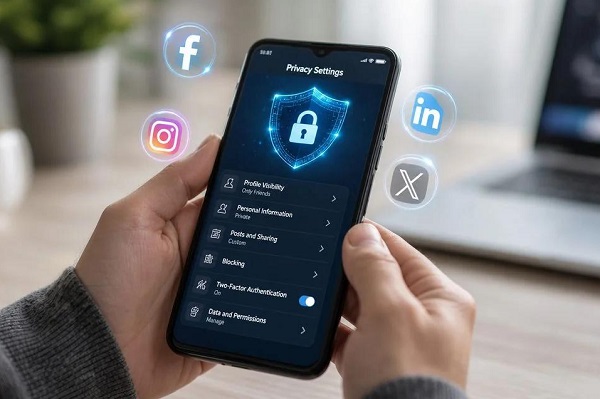
Never publish your NIN publicly on platforms such as:
- X
- TikTok
- WhatsApp Status
- Telegram channels
- Public forums
Avoid posting photographs of documents containing your NIN as well.
For example, if you receive a new identification document and want to share the achievement online, make sure sensitive information is properly hidden before posting the image.
Remember
Deleting a post later does not guarantee that nobody saved or copied it.
Someone could have taken a screenshot before you removed it.
3. Be Careful With Websites Asking for Your NIN
Not every website requesting your NIN is genuine.
Before entering your NIN online, check:
- The website address
- Whether the website belongs to the organisation
- Whether the connection is secure
- Why the information is required
- Whether you reached the site through an official source
Be particularly suspicious of links received through unsolicited messages claiming:
“Your NIN will be blocked today.”
or:
“Verify your NIN immediately to avoid account suspension.”
Scammers frequently use urgency and fear to make people act without thinking.
4. Don’t Click Suspicious NIN Verification Links

Phishing is one of the common methods criminals use to steal personal information.
A scammer may send a message pretending to be from a government agency, bank, telecommunications company or other organisation.
The message may contain a link asking you to:
- Verify your NIN
- Update your information
- Confirm your identity
- Avoid account suspension
- Claim a benefit
- Complete a registration
Don’t click suspicious links.
Instead, open the organisation’s official website yourself or contact the organisation through a verified channel.
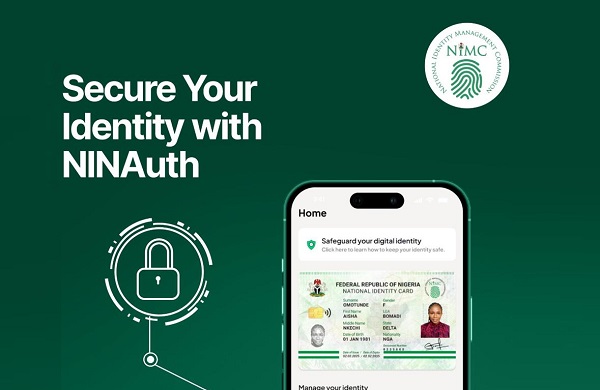
For NIN-related matters, use official channels associated with the National Identity Management Commission (NIMC) rather than links supplied by strangers.
5. Never Give Anyone Your OTP
Your One-Time Password (OTP) is different from your NIN, but scammers may try to obtain both.
You might receive a phone call from someone claiming to be:
- A bank employee
- A government official
- A network provider
- A NIN agent
- A customer-service representative
They may tell you that they need a code sent to your phone.
Don’t give them the OTP.
An OTP can be used to authorise or verify certain transactions or account actions.
A genuine service provider should not require you to disclose sensitive authentication codes to an unsolicited caller.
6. Don’t Send Your NIN and Other Personal Details Together
Be particularly careful when someone requests several pieces of personal information at once.
For example:
NIN + BVN + phone number + date of birth + bank details + OTP
That should immediately raise a red flag.
Even where an organisation legitimately needs some information, don’t provide additional information that isn’t necessary.
Follow the principle of data minimisation:
Provide only the information that is genuinely required for the specific service.
7. Protect Your Phone Number
Your phone number is often connected to many of your online accounts.
If someone has your phone number together with other personal information, they may attempt social engineering or other forms of account compromise.
Protect your phone number by:
- Avoiding unnecessary public posting
- Using strong account passwords
- Enabling two-factor authentication where available
- Securing your SIM
- Being cautious about SIM-related requests
- Reporting suspicious activity to your network provider
Never give a stranger your SIM registration information simply because they claim to be conducting an “update.”
8. Secure Your Email and Online Accounts
Your email account can be extremely important because it may be used to reset passwords for other services.
Protect it with:
- A strong, unique password
- Two-factor authentication
- Recovery options
- Security alerts
Don’t use the same password for your email, social media, banking-related accounts and other services.
If one password is exposed, criminals could attempt to use it elsewhere.
9. Be Careful When Using Public Computers
Students often use computers in:
- Cybercafés
- Libraries
- Schools
- Business centres
- Shared offices
Avoid entering highly sensitive information on computers you don’t trust.
If you must use a public computer:
📖 Related Reads
- Don’t save your password.
- Don’t allow the browser to remember your login.
- Log out completely.
- Don’t leave documents containing your NIN behind.
- Avoid downloading sensitive documents unnecessarily.
When possible, use your own trusted smartphone or computer for sensitive activities.
10. Don’t Store Your NIN Carelessly
If you have a digital copy of an identity document containing your NIN, don’t leave it exposed in places where other people can easily access it.
For example, avoid storing sensitive documents in:
- Public cloud folders
- Shared computers
- Unprotected USB drives
- Public messaging groups
- Shared email accounts
Use your phone’s security features, such as a strong screen lock and encryption where available.
11. Verify People Claiming to Be NIN Agents
Someone may introduce themselves as an NIN agent and ask you for your personal information.
Don’t rely solely on what someone tells you.
If you’re dealing with a physical office or agent, verify that the service is legitimate before handing over sensitive information.
Avoid unofficial “NIN verification” websites or services that appear suspicious.
For official information about NIMC services, use NIMC’s recognised channels.
12. Don’t Believe Every NIN Message You Receive
Scammers often create messages that look official.
A fraudulent message might contain:
- Government logos
- Official-looking language
- Your name
- Fake reference numbers
- Urgent deadlines
- Links
- Threats of account suspension
Don’t assume a message is genuine simply because it looks professional.
Stop and verify.
If you’re unsure, independently find the organisation’s official contact details and ask them directly.
13. Be Careful With Your NIN Slip
Your NIN slip contains sensitive information.
Don’t leave printed copies lying around where strangers can photograph or copy them.
If you need to submit a copy to an organisation, make sure you understand:
- Why it is required
- Who will receive it
- How it will be stored
- Whether a copy is actually necessary
If you no longer need a physical copy containing sensitive information, dispose of it securely rather than throwing it intact into an open rubbish bin.
What Should You Do If You Think Your NIN Has Been Exposed?
Don’t panic.
If you believe your NIN or other personal information has been exposed, take the situation seriously and consider what other information may have been compromised.
Step 1: Stop communicating with the suspicious person
Don’t provide additional information.
Step 2: Preserve evidence
Keep screenshots, messages, phone numbers, emails and suspicious links.
Step 3: Contact the relevant organisation
If the information was provided to a bank, telecommunications company or other service provider, contact that organisation through its official customer-service channel.
Step 4: Secure your accounts
Change passwords where appropriate and enable two-factor authentication.
Step 5: Watch for suspicious activity
Pay attention to unexpected account notifications, password-reset messages or unusual transactions.
Step 6: Report suspected fraud
Where appropriate, report suspected identity theft or fraud to the relevant authorities or service provider.
For NIN-related issues, use official NIMC channels rather than contacting unknown individuals claiming to represent NIMC.
Can Someone Steal Money With Only Your NIN?
Having someone’s NIN alone does not automatically give a person access to their bank account.
However, you should still treat your NIN as sensitive information.
Identity-related fraud can involve combining several pieces of personal information. A criminal who obtains your NIN might attempt to collect additional information through social engineering or phishing.
This is why protecting all your personal information is important—not just your NIN.
Never give out your:
- NIN
- BVN
- PIN
- Password
- OTP
- Card details
unless you have verified exactly why the information is required and who is receiving it.
NIN Security Tips for Students
Students are increasingly dependent on smartphones, social media, online learning platforms and digital services.
That makes digital literacy particularly important.
Here are some simple rules students should remember:
1. Don’t post your NIN online.
2. Don’t send your NIN to strangers.
3. Don’t click suspicious NIN-related links.
4. Never share your OTP or PIN.
5. Use strong passwords.
6. Enable two-factor authentication.
7. Keep your phone locked.
8. Verify websites before entering personal information.
9. Don’t leave NIN documents on shared computers.
10. Report suspicious requests instead of responding to them.
A Simple Rule to Remember
Whenever someone asks for your NIN online, stop and ask three questions:
Who is asking?
Is this a genuine organisation or an unknown individual?
Why do they need it?
Is there a legitimate reason for requesting your NIN?
How am I being asked to provide it?
Is the request coming through an official website, office or verified communication channel—or through a random WhatsApp message?
If something doesn’t feel right, don’t provide the information until you’ve independently verified the request.
Final Thoughts
Your NIN is an important part of your digital identity, and protecting it should become a normal part of your digital literacy habits.
You don’t need to be a cybersecurity expert to reduce your risk of identity theft.
Start with simple habits: don’t publish your NIN, avoid suspicious links, verify organisations before sharing information, protect your phone and email accounts, and never give strangers your OTP or passwords.
Most importantly, remember that scammers often combine several pieces of information to create convincing attacks. Protect your NIN, phone number, passwords, BVN, banking information and other personal details as part of one overall personal-security strategy.
When in doubt, stop, verify and only then share your information.
Frequently Asked Questions
What is the safest way to protect my NIN?
Keep your NIN private, share it only when genuinely necessary, verify the organisation requesting it and avoid entering it into suspicious websites or forms.
Should I send my NIN through WhatsApp?
Avoid sending your NIN through WhatsApp to unknown or unverified individuals. If an organisation genuinely requires it, verify the organisation and use its official, secure process where available.
Can I post my NIN slip on social media?
No. Avoid posting your NIN slip publicly because it contains sensitive personal information that could be copied or misused.
Can someone access my bank account with my NIN?
Your NIN alone does not automatically provide access to your bank account. However, criminals may attempt to combine it with other personal information, which is why you should protect it.
What should I do if I accidentally gave my NIN to a scammer?
Stop communicating with the person, preserve evidence of the interaction, avoid giving them additional information and contact the relevant organisation or official authority through a verified channel if you believe your identity or accounts are at risk.
Is it safe to give my NIN to an agent?
Only provide your NIN when there is a legitimate need and you have verified that the person or organisation is authorised to collect it.
What is the difference between NIN, BVN and OTP?
NIN identifies you within Nigeria’s national identity system. BVN is used by Nigerian banks as part of their customer identification system. An OTP is a temporary verification code used by various services to authenticate certain actions. All three should be treated carefully, but an OTP should never be disclosed to an unsolicited caller or stranger.