The internet has made banking, shopping, communication, job hunting and other everyday activities much easier. However, it has also created new opportunities for fraudsters to target unsuspecting users.
In Nigeria, online scams can happen through WhatsApp, Facebook, Instagram, email, SMS, fake websites, online marketplaces and even seemingly legitimate investment platforms. Scammers often rely on urgency, fear, greed or attractive promises to convince victims to reveal information or send money.
As online fraud tactics continue to evolve in 2026, knowing the common warning signs can help you protect yourself.
Below are 10 online scams Nigerians should watch out for in 2026.
1. Fake Investment and Cryptocurrency Scams
Investment scams remain one of the most dangerous forms of online fraud. Scammers may advertise cryptocurrency, forex, real estate or other investment opportunities promising unusually high returns within a short period.
You may be told to invest ₦50,000 and receive ₦100,000 or more within days. After making an initial deposit, the scammer may demand additional “withdrawal fees,” “taxes” or “verification charges.”
Red flags include:
- Guaranteed or extremely high returns
- Pressure to invest immediately
- No verifiable company information
- Requests to pay into a personal bank account
- Difficulty withdrawing your money
- Referral bonuses used to attract more victims
Always research an investment company independently before sending money.
2. Fake Job and Recruitment Scams
Fraudsters frequently create fake job advertisements to collect money or personal information from job seekers.
A scammer may claim to represent a company and ask applicants to pay for registration, training, medical tests, interview processing or recruitment forms.
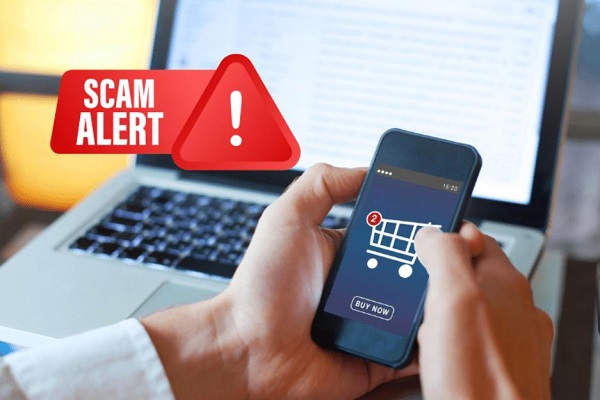
Legitimate employers generally provide clear information about their organisation and recruitment process. Be particularly careful when a supposed employer asks you to send money before you have been properly employed.
Before applying, verify the vacancy through the organisation’s official website or verified communication channels.
3. Phishing Messages and Fake Websites
Phishing involves tricking people into providing sensitive information through fake emails, text messages, social media messages or websites.
For example, you might receive a message claiming that your bank account, email account or social media account will be suspended unless you click a link.
The link may lead to a fake website designed to steal your:
- Username and password
- Card information
- PIN
- OTP
- Banking details
Never enter sensitive information on a website simply because a message tells you to do so.
Instead, open your bank or service provider’s official app or website directly.
4. WhatsApp Account Takeover Scams
WhatsApp users can be targeted by criminals attempting to take control of their accounts.
A scammer may pretend to be a friend, relative, customer-service representative or another trusted person and ask you to send them a verification code.
Once the criminal obtains the code, they may attempt to register your WhatsApp account on another device.
Never share your WhatsApp verification code with anyone.
Enable WhatsApp’s two-step verification and be suspicious of unexpected requests for verification codes.
5. Fake Online Shopping Stores
Social media has made it easy for individuals and businesses to advertise products online. Unfortunately, scammers also create fake stores and social media pages to collect payments without delivering products.
Common targets include:
- Smartphones
- Laptops
- Generators
- Cars
- Fashion items
- Household appliances
- Event tickets
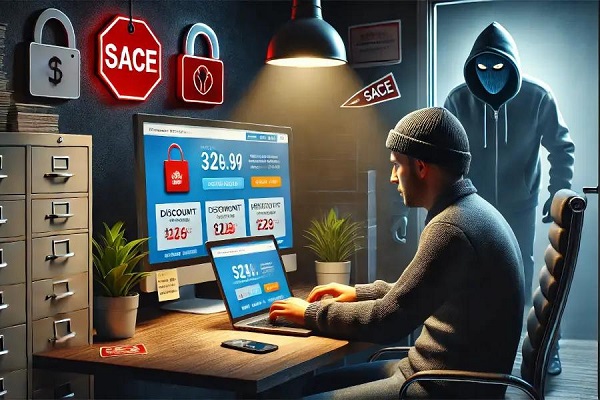
Be cautious when a seller offers a product at a price that is significantly below the normal market price.
Before paying, check the seller’s history, reviews and contact information. Avoid making large payments to unknown sellers simply because they claim that an offer is ending soon.
6. Fake Bank and Financial Institution Messages
Scammers may impersonate banks or financial institutions using SMS, email, phone calls and social media.
A message might claim that:
“Your account has been restricted. Click here to reactivate it.”
The objective is usually to make you reveal confidential banking information.
📖 Related Reads
Remember that legitimate financial institutions will not ask you to disclose your PIN, password or OTP to a stranger.
If you receive a suspicious message, contact your bank through its official customer-service channels.
7. Romance and Relationship Scams
Romance scams occur when criminals create fake online identities to develop relationships with victims.
The scammer may spend weeks or months building trust before claiming to have an emergency requiring financial assistance.
They might say they need money for:
- Medical treatment
- Travel expenses
- A business problem
- Customs charges
- An emergency
- Accommodation
Never send money to someone you have only met online simply because they have built an emotional relationship with you.
8. Fake Giveaways and Prize Scams
“Congratulations! You have won ₦500,000.”
Messages like this are commonly used to attract victims.
A fake giveaway may impersonate a popular company, celebrity, bank or government programme. After claiming that you have won, the scammer may ask you to pay a processing fee before receiving your prize.
Some may also request your personal or banking information.
If you never entered a competition, be highly suspicious of claims that you have won one.
9. Fake Government and Grant Schemes
Scammers may use the names and logos of government agencies or public programmes to create fake grant, empowerment and financial-support schemes.
They may advertise through Facebook, WhatsApp, Telegram or websites and request registration fees or personal information.
Before applying for any government programme, verify the announcement through the agency’s official communication channels.
Do not assume that a website is legitimate simply because it contains government logos or official-looking documents.
10. AI-Powered Impersonation and Deepfake Scams
Artificial intelligence is making online scams more sophisticated in 2026.
Criminals can use AI-generated text, images, cloned voices and manipulated videos to impersonate people or organisations.
For example, a scammer could appear to be a company executive asking an employee to urgently transfer money, or use a cloned voice to make a fraudulent request appear genuine.
If you receive an unusual financial request—even from someone who appears familiar—verify it through another communication channel.
For example, call the person using a phone number you already have rather than replying to the suspicious message.
How to Protect Yourself From Online Scams
You can significantly reduce your risk by following these basic precautions:
- Never share your OTP, PIN or passwords.
- Don’t click suspicious links.
- Verify unexpected financial requests independently.
- Use strong, unique passwords.
- Enable two-factor authentication where available.
- Check website addresses carefully before entering information.
- Research unfamiliar businesses before making payments.
- Be suspicious of guaranteed profits and unrealistic offers.
- Don’t allow urgency or threats to pressure you into making decisions.
- Keep your phone, apps and operating system updated.
What to Do If You Have Been Scammed
If you realise that you have fallen victim to an online scam, act quickly.
Contact your bank or financial institution immediately if money has been transferred. Depending on the circumstances, the institution may be able to advise you on possible steps to protect your account or transaction.
Change compromised passwords and enable two-factor authentication. Preserve relevant evidence such as transaction receipts, screenshots, phone numbers, usernames, email addresses and website addresses.
You should also consider reporting the incident to the appropriate Nigerian authorities.
Final Thoughts
Online scams are becoming increasingly convincing, but most scams still depend on the victim making a rushed decision or revealing information that should remain private.
Whether you are shopping online, looking for a job, investing money, using social media or receiving a message from someone claiming to represent your bank, stop and verify before taking action.
A few minutes spent checking a message or website can save you from losing your money or having your personal information stolen.